Before you read
Hawaii food is a layered meal, not a menu.
The 12 dishes below are not a ranked checklist. They are the plates a local would actually make you eat if you showed up at their house hungry. Some are ancient. Some are plantation-era. Some are mainland imports that became local fifty years ago. All of them belong.
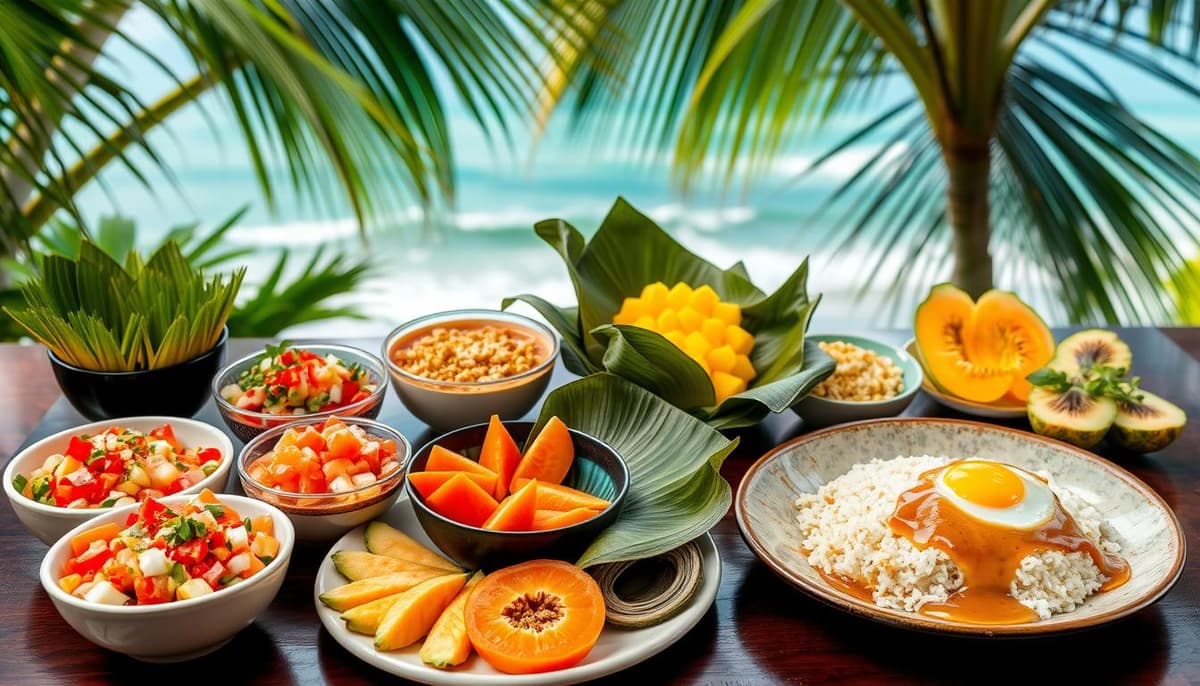
Hawaii food is a stack of histories. Native Hawaiian traditions, Chinese and Japanese plantation cooking, Portuguese and Filipino immigrant recipes, and post-WWII American pantry additions all land on the same table. The 12 dishes below are the ones that explain how the food works.
No tourist-luau checklist. These are the plates that matter to people who live here.
1. Poke
Fresh raw fish, cut into cubes, seasoned with shoyu, sesame oil, Hawaiian salt, onion, and limu. Pronounced poh-kay. The original version is cleaner than any modern poke bowl — fish plus salt plus seaweed plus crushed kukui nut (inamona) and nothing else. Everything after that is a variation.
The rule for poke is the fish. Firm, cold, fresh from the boat, cut across the grain in 3/4-inch cubes. See the full classic ahi poke bowl and the poke explainer.
2. Loco moco
Hamburger patty over rice, brown gravy poured over both, a fried egg on top. Invented at the Lincoln Grill in Hilo in 1949 for a teenage surf club that wanted something heavier than a sandwich. It is the dish that made breakfast-for-dinner a Hawaii standard.
The gravy has to be thick enough to cling and thin enough to coat the rice. A runny yolk is not optional. See the weeknight loco moco recipe.
3. Kalua pig
Shredded smoky pork, traditionally cooked in an imu — an underground pit lined with hot lava rocks and banana leaves. Seasoned with Hawaiian salt and the smoke of the pit. The recipe is almost ingredient-free: pork, salt, smoke, time.
Home cooks substitute a smoker, an oven, or a slow cooker with liquid smoke. None of those match an imu exactly, but the slow cooker version is close enough for weeknight plate lunches. See what kalua pig is and the oven-roasted version.
4. Haupia
Coconut milk, sugar, and starch (traditionally arrowroot, now usually cornstarch), cooked into a set pudding. Cut into squares. Served cold at luaus, potlucks, and bakery counters. Mild, cool, coconut-forward, not heavily sweet.
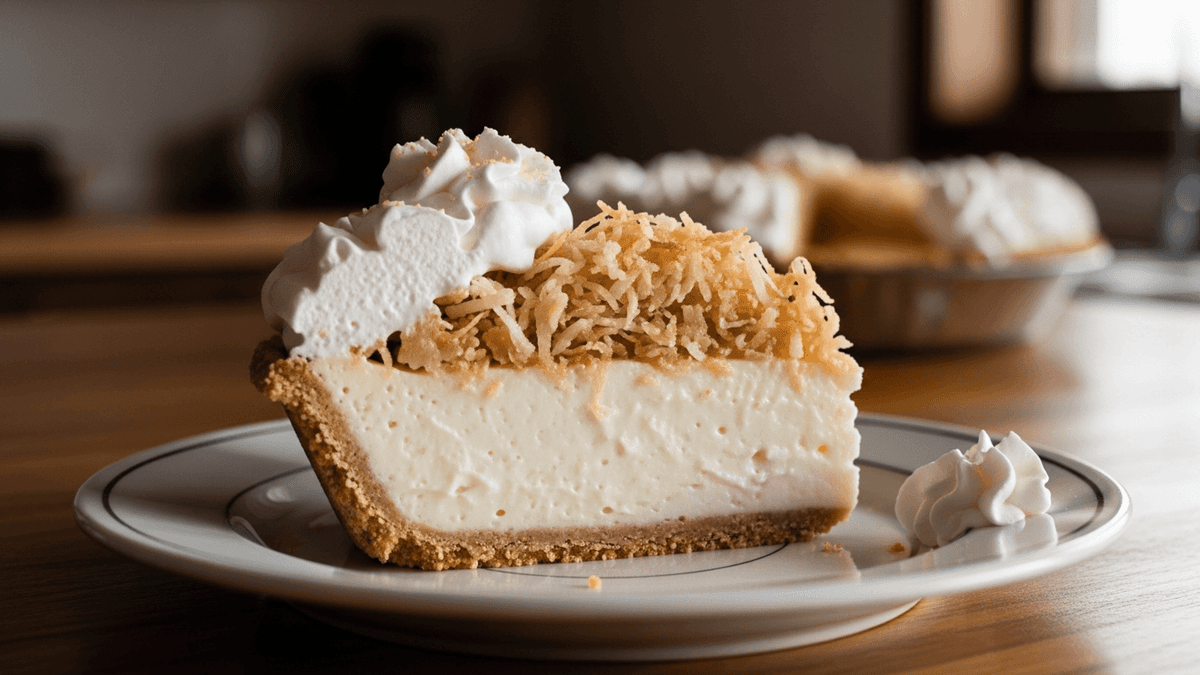
Haupia is the dessert that balances heavier luau food. It also layers under chocolate in the chocolate haupia pie — a second-tier classic in its own right. Full recipe: haupia.
5. Spam musubi
Glazed Spam on seasoned rice, wrapped with nori. The gas-station staple, the beach-day snack, the after-school bite for a generation of local kids. Born from Japanese onigiri technique plus Spam rations during WWII.
The classic is sacred: Spam glazed with shoyu and brown sugar, one slice per musubi, warm rice, nori seam sealed with water. Variations are fine if the core still eats cleanly. See what spam musubi is and the variations.
6. Poi
Pounded taro root mixed with water, fermented slightly. The starchy staple of Native Hawaiian diet for centuries. Eaten by scooping with two or three fingers — the consistency is graded by how many fingers it takes (one-finger poi is thick; three-finger is thin).
Poi is polarizing because it is supposed to be. It is not dessert. It is neutral, slightly sour, meant to be eaten with kalua pig, lau lau, or lomi salmon. See what poi is.
7. Malasadas
Portuguese fried-dough donuts without a hole, rolled in sugar while still hot. Brought to Hawaii by Portuguese sugar-plantation workers in the 1870s. Leonard's Bakery in Honolulu has been making them since 1952.
The test of a malasada is texture: crisp shell, soft yeasty interior, enough structure that the sugar coating has something to stick to. Eat them the day they are made. See the full malasada recipe and history.
8. Fish tacos
Not traditional Hawaii, but now firmly local. Grilled mahi mahi or ono, warm corn tortillas, cabbage slaw, a squeeze of lime, sometimes a tropical-fruit salsa. The combination works because the fish is fresh and the slaw keeps it bright.
The good versions live at North Shore taco stands and beach-town food trucks. The home version needs a hot pan, a timer, and restraint on the toppings.
9. Saimin
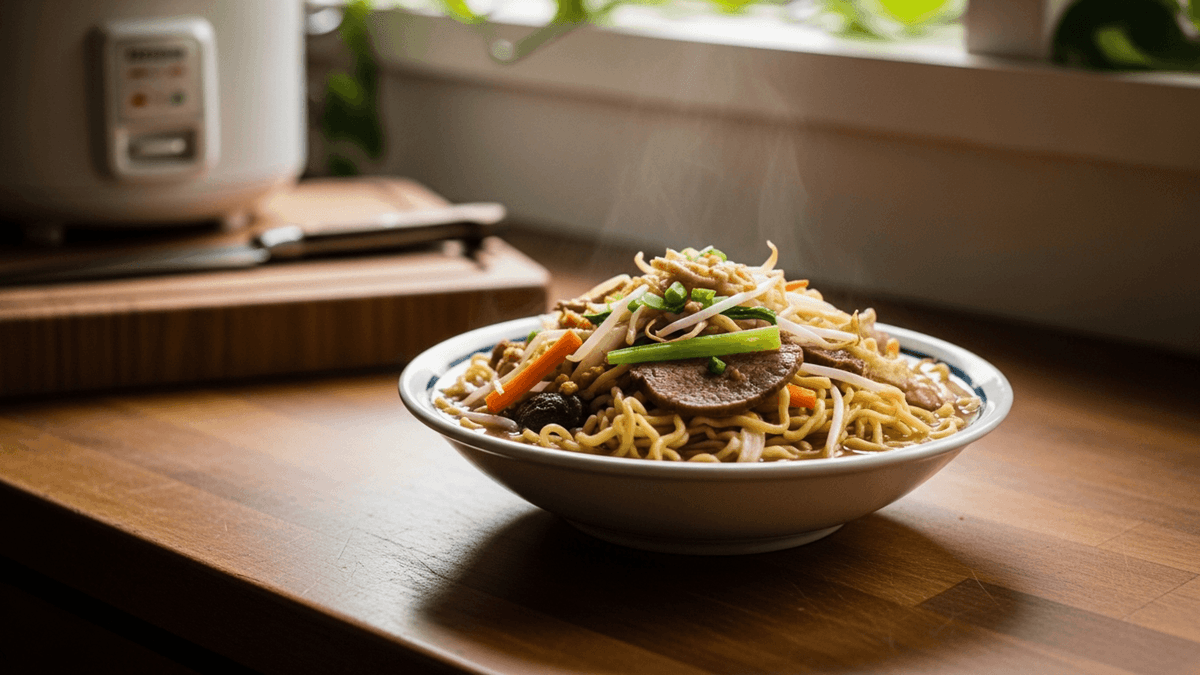
Hawaii's noodle soup. Light dashi-style broth, thin egg-wheat noodles, char siu pork, green onion, fish cake, occasionally a soft-boiled egg. Came out of plantation-era Hawaii as a fusion of Chinese, Japanese, and Filipino noodle traditions. It is not ramen — the broth is lighter and the bowl is built differently.
McDonald's in Hawaii still sells saimin. It is the only McDonald's region in the world that does. See what saimin is and the saimin recipe.
10. Coconut shrimp
Shrimp coated in panko and shredded coconut, pan-fried until the coconut browns. A restaurant classic that moves well to a home kitchen with a single skillet and a timer. Served with a sweet-tangy dipping sauce — usually a papaya or lilikoi-based mix rather than plain cocktail sauce.
The trick is keeping the coconut from burning before the shrimp cooks through. Butterflying the shrimp and using medium heat, not high, gives you even timing. See the coconut shrimp recipe.
11. Hawaiian banana bread
Made with very-ripe local apple bananas (shorter, tangier, more floral than mainland Cavendish). Often loaded with macadamia nuts, sometimes with shredded coconut. Sold at roadside stands on every island.
Store-bought from a roadside stand is the move for visitors. For home cooks, the mango bread recipe follows the same playbook and uses a tropical fruit that freezes well off-season.
12. Lomi salmon
Cold, salty salmon mixed with tomato, onion, and green onion, hand-massaged (lomi = massage) to blend the flavors. Technically post-contact (salmon arrived via Pacific Northwest trade) but the technique is fully Hawaiian. It is the bright, acidic side that keeps a heavier luau plate from feeling flat.
Good lomi salmon is cold, lightly juicy, and salty enough to stand next to kalua pig. See the lomi lomi salmon recipe.
Where to go next
These 12 are not the whole story. They are the entry points. Once they feel familiar, move into the regional and family-specific plates: Portuguese bean soup, chicken long rice, teri burgers, butter mochi, taro waffles, shave ice. All of those branch off the same twelve.
For the bigger picture, see the pupus guide (party food), the poke guide (raw fish), the desserts guide, and the Hawaii ingredients guide.
Frequently asked questions
What are the signature dishes in Hawaii food?
The core dishes are poke, loco moco, kalua pig, haupia, spam musubi, poi, malasadas, saimin, fish tacos, coconut shrimp, banana bread, and lomi salmon. Each represents a different layer of Hawaii's food history — Native Hawaiian, Chinese-Hawaiian, Japanese-Hawaiian, Portuguese-Hawaiian, or post-WWII fusion.
What makes Hawaii food different from Pacific Rim or fusion cooking in general?
Hawaii food is not a chef-driven fusion. It is a home-kitchen fusion that emerged over 150 years of immigrant plantation cooks sharing meals and techniques. The result is not a menu of carefully calibrated "fusion" dishes but a set of staples that multiple cultures treat as their own. That lineage is the difference.
Which Hawaii dishes are actually Native Hawaiian?
Pre-contact Native Hawaiian foods include poi (from taro), kalua pig (cooked in the imu), lau lau (taro leaves wrapping pork or fish, steamed), pipikaula (dried beef, though post-contact), and limu (seaweed) dishes like lomi salmon. Poke is also rooted in Native Hawaiian fishing tradition, though the shoyu-based modern version is post-contact.
Are poke bowls the same as traditional poke?
No. Traditional poke is seasoned raw fish eaten on its own as a pupu or side. A poke bowl is poke served over rice with toppings, closer to a Japanese chirashi bowl in format. Both are Hawaii food, but only the poke itself is the traditional dish.
What is the best Hawaii dish for a first-timer?
Spam musubi. It is cheap, available everywhere, portable, and shows you the Hawaii logic in one bite: Japanese technique, American meat, local rice. Follow it with a loco moco if you want the fuller plate-lunch story.