
What is Hawaiian poke?
Poke is a Hawaii raw-fish dish, usually cut into cubes and seasoned with ingredients like shoyu, sesame oil, onion, limu, inamona, chili, or salt.
Hawaiian poke
Poke is simple only when the fish, cut, seasoning, and restraint are right. Start with the basics, then move into bowls, bars, and variations that still respect the fish.
CurtisJ rule
The best poke does not hide weak fish under loud toppings. Keep the fish cold, cut it cleanly, season with judgment, and let the bowl stay recognizable.
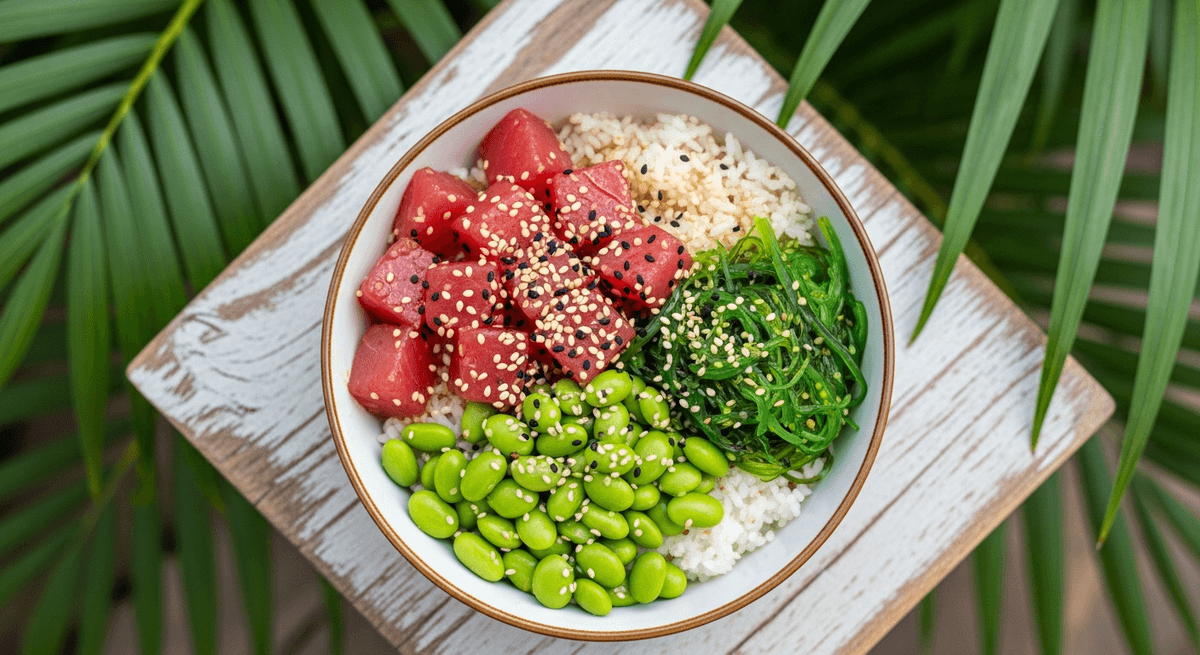
What poke actually is, where it comes from in Hawaii, and why the best versions stay simple once the fish hits the bowl.
A guide to Hawaiian poke bowls that covers the fish, seasoning, rice, and toppings that make the bowl taste right, plus what to leave out.
ReadHow to Set Up a Poke Bar at Home — The Ultimate Interactive Hawaiian SpreadA poke bar at home works when the fish stays cold, the toppings stay disciplined, and everyone can build a bowl without wrecking the point.
Basics
These are the decisions that matter before toppings, sauces, and rice get involved.
What poke actually is, where it comes from in Hawaii, and why the best versions stay simple once the fish hits the bowl.
ReadA guide to Hawaiian poke bowls that covers the fish, seasoning, rice, and toppings that make the bowl taste right, plus what to leave out.
ReadA Hawaii fish guide should tell you what each fish tastes like, what it is best for, and when to leave it raw, grill it, or steam it whole.
ReadHow you cut fish for poke decides the bite, the marinade pickup, and whether the bowl feels careful or sloppy before seasoning even starts.
Classic styles
Shoyu, limu, spicy ahi, tako, salmon, and tofu all need different handling.
Classic shoyu poke puts soy sauce front and center. This everyday Hawaiian favorite is savory, simple, and perfect over rice or straight from the bowl.
ReadTraditional limu poke is the original Hawaiian recipe—seasoned with seaweed, sea salt, and inamona. A taste of pre-contact Hawaii in every bite.
ReadSpicy ahi poke with creamy sriracha mayo, tobiko, and crispy toppings. The modern poke bowl favorite that started a nationwide craze.
ReadTako poke features tender octopus with sesame, soy, and chili. This local Hawaiian favorite offers a satisfying texture and bold flavor.
ReadSalmon poke features rich, buttery salmon with avocado, mango, and sesame. A modern poke bowl favorite that’s creamy and satisfying.
ReadTofu poke is the vegetarian answer to poke bowls. Firm tofu marinated in sesame-soy with all your favorite toppings. Plant-based and delicious.
Serve it
Poke bars, nachos, stacks, and larger spreads only work when the cold fish stays the center of gravity.
A poke bar at home works when the fish stays cold, the toppings stay disciplined, and everyone can build a bowl without wrecking the point.
RecipeSomewhere along the way, someone in Hawaii looked at a plate of nachos, then looked at a bowl of poke, and said: "What if?" That person is a genius. Poke nachos have exploded in popularity over the last decade. Every...
ReadLayered ahi poke stacks are the showstopper appetizer that looks like it came from a Waikiki restaurant but takes 20 minutes at home.
ReadThis loaded poke bowl with eel, spicy salmon, masago, mango, and crispy wontons proves there’s no limit to how creative your bowl can get.
Quick answers
Poke is a Hawaii raw-fish dish, usually cut into cubes and seasoned with ingredients like shoyu, sesame oil, onion, limu, inamona, chili, or salt.
Ahi is the classic choice, but the best fish is clean, very fresh, handled cold, and suitable for raw preparation.
Poke is pronounced poh-KAY, two syllables, stress on the first. The "e" is not silent. Anyone saying "pokey" in Hawaii will get corrected fast.
Yes, and for home cooks outside Hawaii it is often the safer choice. Commercially frozen ahi or salmon labeled sashimi grade has already been flash-frozen at temperatures that handle parasite risk, which raw-fresh fish shipped across the country may not be.
Poke uses raw fish in a savory, shoyu-based seasoning. Ceviche uses citrus acid to chemically cook the fish and leans on lime, tomato, and onion. Texture, flavor, and method are all different even though both start with raw fish.
Dressed poke is best the day it is made, ideally within a few hours. You can keep leftovers refrigerated overnight, but the fish loses texture and the seasoning turns sharper as it sits.