Before you pour
Think in acidity, perfume, and pulp.
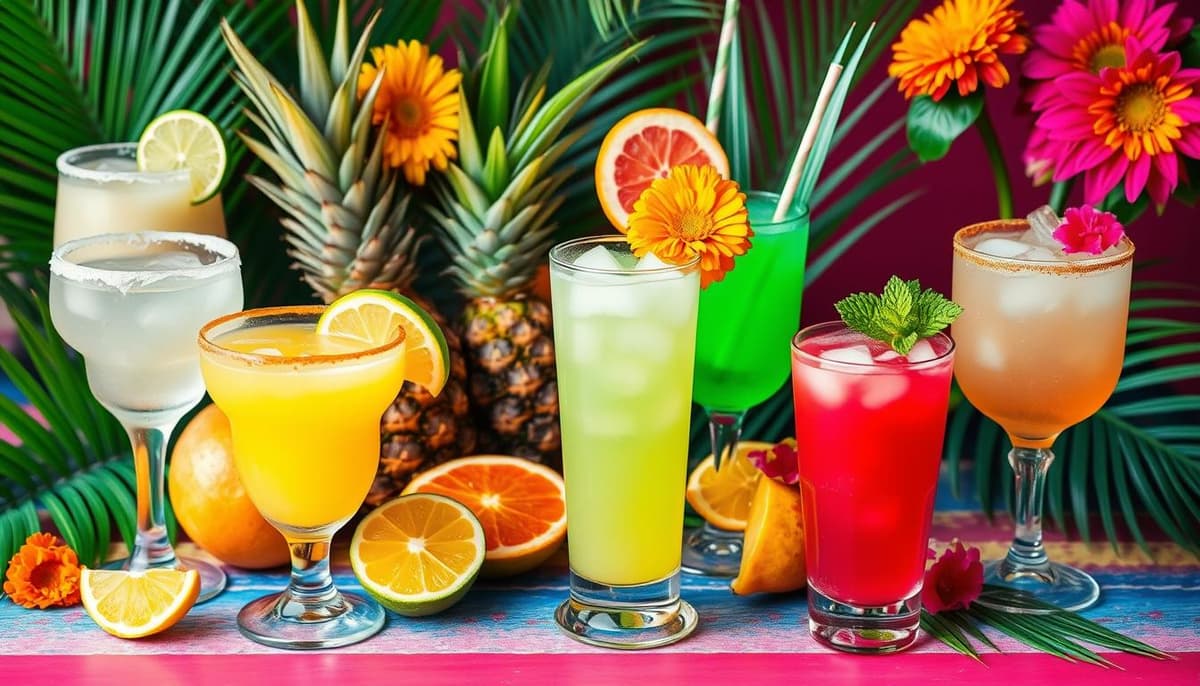
Fruit in island drinks is not garnish. Each fruit contributes a specific thing — acid, aroma, sweetness, texture — and understanding which one you need is the difference between a balanced drink and a tropical blur.
You can follow a cocktail recipe to the letter, use top-shelf spirits, nail the ratios, and still end up with something that tastes like a chain restaurant. The missing piece is almost always the fruit.
Hawaii has some of the best tropical fruit in the world. Use it fresh — picked-that-morning fresh — and the difference over syrup or concentrate is unmistakable. No packaged pulp touches a fresh lilikoi scooped that day.
This guide covers the fruits worth reaching for when you are mixing drinks at home. Some you already know. Others may be new. All of them change the drink.
The essentials: fruits to know
Lilikoi (passion fruit)
If one fruit defines Hawaii cocktails, it is lilikoi. Tart-sweet with a floral aroma nothing else matches. The pulp is loaded with seeds; strain them out for a clean cocktail or leave them in for texture.
How to use it: cut in half, scoop out the pulp. For cocktails, press through a fine-mesh strainer for clean juice. For smoothies or non-alcoholic drinks, use the whole pulp with seeds.
Best in: Mai Tais, margaritas, daiquiris, lemonade, sparkling water. Lilikoi syrup is easy to make: equal parts sugar and lilikoi juice, heated until dissolved. For dessert use, see the lilikoi bars.
Season: summer through fall is peak; available most of the year in Hawaii. Mainland cooks: look for frozen pulp at Latin or Asian grocery stores.
Mango
Mango season in Hawaii is a minor holiday. May through September, trees get heavy and neighbors leave bags of fruit on each other's doorsteps. The Hayden variety is the Hawaii classic: sweet, minimal fiber, deep orange flesh.
How to use it: peel and cut the cheeks off the pit. For drinks, blend into puree. For garnishes, slice thin. A ripe mango gives slightly when pressed and smells fragrant at the stem end.
Best in: Mango Mai Tais, daiquiris, lassis, smoothies, haupia smoothies. Mango also makes a bright shave ice syrup. For baking, see the mango bread recipe.
Season: May through September. Freeze cubed mango in summer to use year-round.
Pineapple
The obvious one, but fresh pineapple and canned pineapple juice are different drinks. Fresh pineapple has a brightness and almost effervescent quality that disappears in processing. Juicing a fresh Maui Gold is genuinely different from anything in a can.
How to use it: cut off the top and bottom, stand it up, slice off the skin following the curve, remove the eyes with a paring knife. For juice, blend chunks and strain. The core has concentrated flavor and is good for infusing spirits.
Best in: piña coladas, Tropical Itch, rum punch, tepache (fermented pineapple drink), and most tropical mixed drinks.
Season: year-round in Hawaii; peak spring and summer.
Coconut
Coconut is the backbone of many Hawaii drinks: haupia smoothies, piña coladas, straight coconut water on a hot day. Fresh water from a young green coconut is lighter, sweeter, and slightly fizzy — different from packaged.
How to use it: for coconut water, use a young (green) coconut; hack the top off with a cleaver or heavy knife. For coconut cream, use a mature (brown) coconut; crack it, grate the meat, squeeze through cheesecloth with warm water. For cocktails, a good canned coconut cream is fine — no shame in that. For the full method, see homemade coconut milk.
Best in: piña coladas, haupia anything, batida de coco, coconut water mocktails. Coconut cream is the base of a Scorpion Bowl.
Season: year-round.
Worth seeking out: the second tier
Guava
Guava has a perfumy, almost musky sweetness that makes anything it touches read tropical. The pink-fleshed strawberry guava grows wild all over Hawaii; kids pick them off bushes on the way home from school. For drinks, the common guava (the bigger softball-sized ones) gives you more juice to work with.
How to use it: blend ripe guava (halved first) and strain through a fine-mesh sieve to remove seeds. The puree is thick; thin with water for cocktails.
Best in: guava mimosas, rum cocktails, agua fresca, POG (passion-orange-guava), which is basically Hawaii's signature drink. For a party-sized batch, see the guava nectar punch.
Season: nearly year-round, peak summer through fall.
Lychee
Lychee season is short and people go hard for it. Delicate floral sweetness, almost perfumed-grape, that makes some of the cleanest cocktails you will pour. Fresh lychee in a martini is a different drink from the canned version.
How to use it: peel the bumpy red skin (comes off easily when ripe), remove the seed. Use the whole fruit as garnish or muddle for cocktails. For juice, blend peeled fruit with a splash of water and strain.
Best in: lychee martinis, champagne cocktails, sparkling lychee water, Blue Hawaiis (substitute for the sweet and sour).
Season: very short, June and July. Buy extra and freeze.
Starfruit (carambola)
Starfruit is as much about presentation as flavor. The five-pointed star slices work as a garnish on any drink. The flavor is crisp and tart-sweet, somewhere between green grape and citrus.
How to use it: wash well, slice crosswise into stars. No peeling. For juice, blend and strain. Ripe starfruit is mostly yellow with a touch of green on the edges.
Best in: garnish for any tropical cocktail, sparkling starfruit water, rum punches, white sangria.
Season: late summer through winter.
Calamansi
These tiny citrus fruits — smaller than a golf ball — are huge in Filipino cooking and showing up more in Hawaii bars. Cross between a lime and a tangerine, with a fragrant quality regular limes do not have.
How to use it: cut in half and squeeze. You will need a lot; each fruit gives about a teaspoon of juice. Roll them on the counter before cutting to release more. Worth the work.
Best in: anywhere you would use lime. Calamansi margaritas are a genuine upgrade. Also good in sodas, iced tea, and Filipino-inspired cocktails.
Season: year-round in Hawaii.
Working with tropical fruit: technique
Making fruit syrups
The fastest way to preserve tropical fruit flavor for drinks is a simple syrup. The formula:
- 1 cup fruit puree or juice
- 1 cup sugar
- Heat gently, stirring until the sugar dissolves. Do not boil — you will lose the fresh flavor.
- Cool, strain, bottle. Keeps 2 to 3 weeks in the fridge.
Works for lilikoi, guava, mango, and lychee. For the full method and more fruit pairings, see the shave ice syrup guide. Those same syrups work in cocktails.
Freezing for later
Most tropical fruits freeze well:
- Prep the fruit: peel, remove seeds, cut into pieces
- Spread on a parchment-lined baking sheet in a single layer
- Freeze until solid (a few hours)
- Transfer to freezer bags, press out air, label with date
Frozen fruit works for blended drinks and smoothies. For cocktails that need clean juice, thaw overnight in the fridge and strain before use.
Juicing
- Soft fruits (mango, guava, lilikoi): blend and strain through a fine-mesh sieve
- Firm fruits (pineapple, starfruit): a centrifugal juicer is fastest, but blender plus strainer works
- Citrus (calamansi, Meyer lemon): hand-squeeze or citrus press
- Always juice the same day you plan to use it; fresh tropical juice oxidizes quickly
Ripeness
An underripe mango makes a flat cocktail. An overripe one tastes fermented, not in a good way. Quick ripeness guide:
- Mango: slight give when pressed, fragrant at stem end, no wrinkles
- Lilikoi: wrinkled skin is ripe (smooth skin is underripe)
- Pineapple: golden color, fragrant base, a leaf pulls out easily
- Guava: yields to gentle pressure, fragrant, slight yellow color
- Lychee: bright red, slightly soft, no brown spots
POG: Hawaii's signature drink
A tropical fruits guide cannot skip POG — passion, orange, guava. Everywhere in Hawaii. Served at every keiki birthday party, stocked in every hotel minibar, mixed into cocktails at every bar.
Commercial versions are fine. Homemade POG with fresh fruit is a different drink:
- 1 part fresh lilikoi juice (strained)
- 2 parts fresh orange juice
- 2 parts guava puree (strained)
- Mix, chill, serve over ice
Add rum for a POG cocktail. Add sparkling water for a POG spritzer. Add it to a shave ice syrup rotation. However you serve it, fresh POG is one of those drinks that explains why people never want to leave Hawaii.
Where to find tropical fruit
In Hawaii, farmers markets are the best source. Fair prices, fresh fruit, vendors who know exactly what is at peak ripeness. Chinatown markets in Honolulu carry strong variety.
On the mainland:
- Asian grocery stores: strongest selection of lychee, guava, calamansi, and starfruit
- Latin grocery stores: reliable for mango, guava, and passion fruit (including frozen pulp)
- Frozen section anywhere: frozen tropical purees and chunks are surprisingly reliable quality
- Online specialty retailers: for frozen lilikoi pulp and calamansi juice