Before you cook
North Shore garlic shrimp is a butter-and-garlic-delivery system, nothing more.
The trucks got famous because they kept the recipe simple and the garlic aggressive. Recreating it at home is not about technique; it is about refusing to be polite with the garlic and keeping the shells on.
If you have driven the two-lane highway along Oahu's North Shore, you know the moment: the cane fields open up, a beat-up white truck on the shoulder, a line of people down the road. The air hits before you get out of the car — garlic, butter, shrimp against a hot pan.
North Shore garlic shrimp is one of those dishes tourists and locals both drive out to Kahuku for. Styrofoam plate, shell-on shrimp in garlicky butter, two scoops of rice to soak up the sauce, a wedge of lemon. Messy, rich, built around garlic. The home version lands close if you respect the shell and the butter.
The shrimp truck story
The garlic shrimp truck phenomenon started in the 1990s in Kahuku on Oahu's North Shore. The area had several aquaculture farms raising freshwater shrimp, and Giovanni Armenio had the idea to set up a truck selling them cooked simply in garlic and butter right there on the highway.
Giovanni's became the template. Take fresh shrimp, cook them shell-on in a large amount of garlic and butter, serve over rice. No fancy technique, no exotic ingredients. The line grew, competitors followed, and the Kahuku stretch of Kamehameha Highway now has multiple trucks with their own regulars.
The big names are Giovanni's (the white truck covered in customer signatures), Romy's (grows their own shrimp), Fumi's, and several others. Pick a favorite and defend it — the best-truck argument is one of those Hawaii food debates that never resolves. Food worth arguing about is food worth cooking at home.
The rules for North Shore-style garlic shrimp
The dish only has five real variables. Get them right and the plate lands close to the trucks.
- Do not be shy with the garlic. If you think you have added enough, double it. A full head of garlic per pound of shrimp is the baseline. Some recipes go higher.
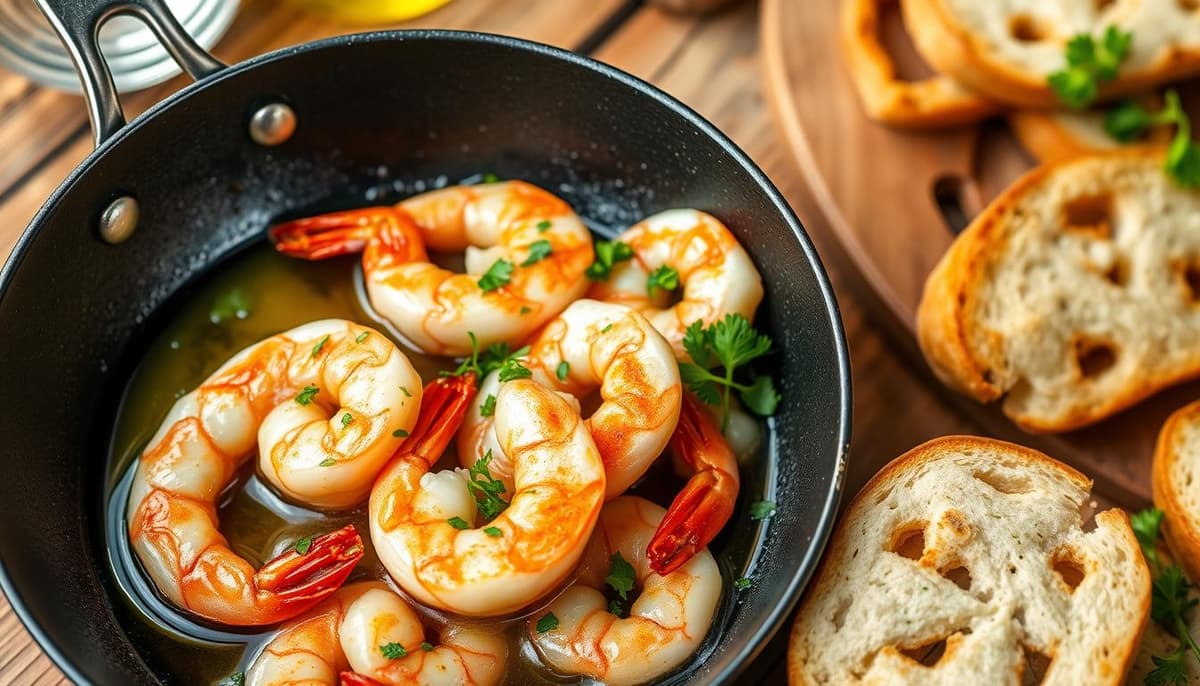
- Keep the shells on. The shells protect the shrimp from overcooking, build flavor into the butter, and give you something to do with your hands. Yes, it is messy. That is the point.
- Butter is the vehicle. The garlic butter has to be rich, golden, and plentiful enough to soak into every grain of rice on the plate. Skimpy butter is a tell.
- Do not overcook the shrimp. Shrimp turn rubbery 30 seconds after the window closes. Pull them when they are just pink and curled; the sauce finishes the job.
- Finish with lemon. The acid cuts the richness and ties the plate together. Never skip it.
Prep the shrimp
Devein the shrimp through the shell. Use sharp kitchen scissors to cut along the back of the shell, then lift the vein out with a toothpick. This is the key move for shell-on cooking: it lets the garlic butter penetrate the meat while the shell still does its flavor and protection work.
Some truck recipes also marinate the raw shelled shrimp in garlic, oil, and shoyu for an hour or two. Optional, but it gives the shrimp more garlic depth throughout.
If you can find head-on wild-caught shrimp at an Asian market, use those. Farm-raised shell-on shrimp work fine. Pre-peeled or frozen pre-cooked shrimp do not work for this recipe.
Cook the garlic shrimp
Heat a large cast-iron or heavy-bottomed skillet over medium-high until screaming hot. Cast iron gives the shrimp shells the best color and crunch.
Add butter — more than feels right, at least 6 tablespoons for a pound of shrimp. When the butter foams, add all the minced garlic at once and stir for 20 to 30 seconds. Do not brown the garlic. Golden is fine; dark brown is burnt.
Add the shrimp in a single layer. Cook 90 seconds per side, flipping once. The shells should go bright pink and take on a little char at the edges. Pull the pan from the heat and let the residual sauce finish the cooking.
A splash of shoyu, a pinch of Hawaiian salt, black pepper, and a large squeeze of lemon over the whole pan. Stir once.
Serve
Two scoops of rice on a styrofoam or ceramic plate. Pour the shrimp and every drop of garlic butter over the top. Extra lemon wedges on the side. Paper napkins, lots of them.
Eat with your hands. Peel each shrimp, soak up the butter with the rice, squeeze more lemon as you go. Your fingers will smell like garlic for the rest of the day. That is a feature, not a bug.
How to eat it
This is not polite food. You peel with your hands, you get butter on your fingers, you use the rice to chase every drop of sauce on the plate. Roughly forty napkins is about right. The garlic breath is a shared thing — if everyone at the table eats it, nobody notices.
Cold beer or a glass of white wine works. A simple green salad if you want to feel virtuous. For a full plate lunch format, add a scoop of mac salad to the plate. The cold creamy mac cuts the rich garlic butter.
For the bigger history of the shrimp trucks and the food culture that built them, read the shrimp truck talk story.