Before you buy
Buy the tool that saves repetition.
Musubi gear only earns its space if it helps you make more musubi with less fuss. Keep the setup lean: one mold if you need it, good nori, reliable rice, no extra plastic that slows the workflow down.
You can make Spam musubi without a mold. The Spam can plus plastic wrap works. But it is slow, inconsistent, and awkward once you are making 20 at a time for a potluck.
A proper musubi mold changes the workflow. Uniform shape, clean rice compression, flat edges, and you can crank them out fast. Once you use one, the Spam-can method gets retired.
Below is the gear worth keeping, the gear worth skipping, and what actually matters in a musubi-making setup.
Musubi molds
Best overall: Kome rice musubi mold
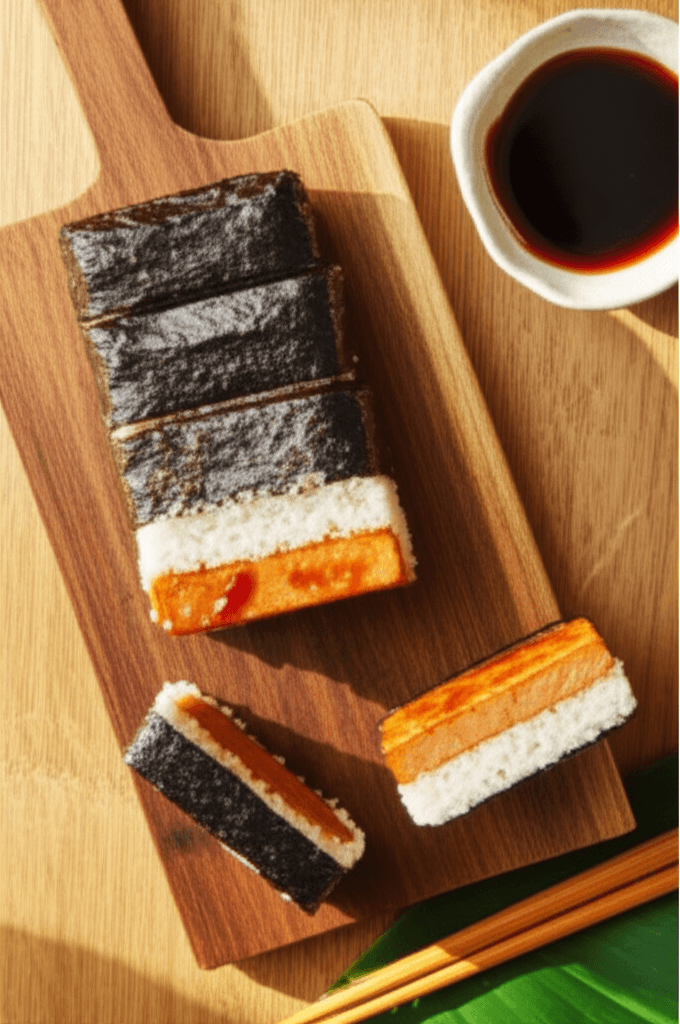
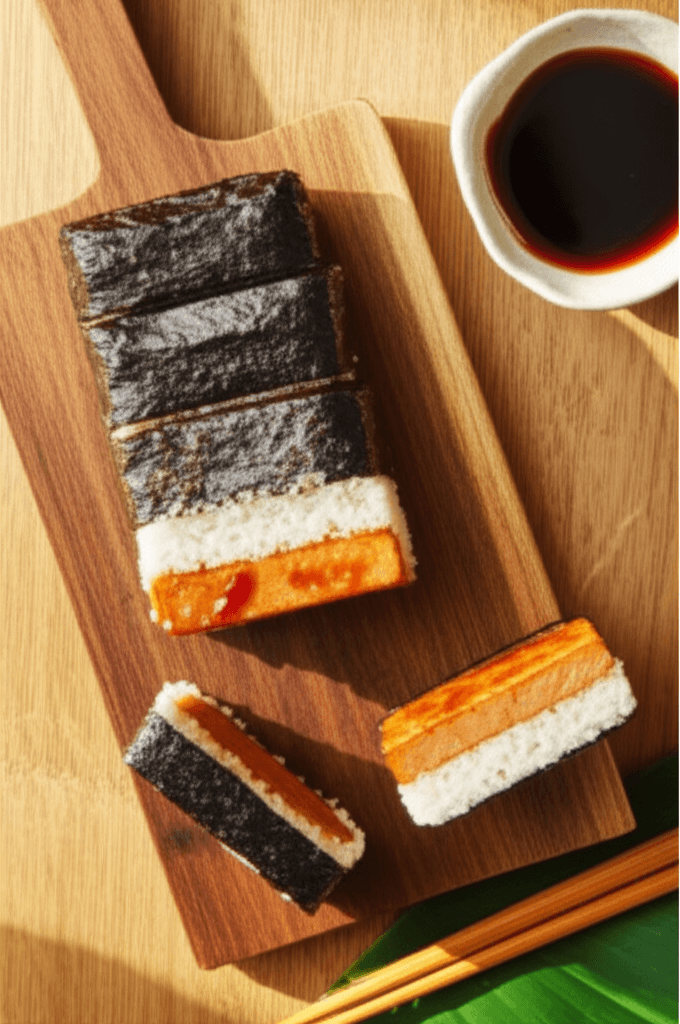
The most common musubi mold in Hawaii for a reason. Simple, effective, and sized for a Spam slice. Rectangular mold with a built-in press: pack in the rice, press down, slide out a clean musubi base. Mine has lasted years.
Why it works:
- Spam-sized dimensions every time
- Non-stick surface releases rice cleanly
- Press-and-slide mechanism, no moving parts to fail
- Dishwasher safe
- Under $10
The trick: dip the mold in water before each use. Wet rice does not stick to wet plastic. That one move is the difference between clean releases and a frustrating afternoon.
Price range: $7-12
Best for bulk: multi-musubi press (5 at once)
If you regularly make musubi for parties, school lunches, or weekly meal prep, the 5-at-a-time press saves real time. Load rice across the whole mold, press once, get five bases ready for Spam and nori. What used to take 30 minutes takes 10.
Why it works:
- Makes five musubi in one press
- Consistent size and compression across all five
- Sturdy enough to take weight
- Scales meal prep for a full week
The catch: larger and harder to store than a single mold. The musubi come out slightly smaller than the Kome single, so some Spam slices hang over the edges. Not a dealbreaker, worth knowing.
Price range: $12-18
Honorable mention: onigiri mold set
Not a musubi mold, but a set of onigiri molds gives you triangle-shaped rice balls good for bento boxes. Fill with furikake-mixed rice, tuck a piece of Spam inside. Different shape, same idea. Kids like the triangle.
Price range: $8-12 for a set
Essential accessories
Nori (seaweed sheets)
Not all nori is the same. For musubi, use full-sized sheets that you cut to strips. Skip the pre-cut snack sheets; too thin and too small.
The picks:
- Best quality: Nagai Roasted Seaweed (Yaki Nori). Rich flavor, clean crunch, holds its shape wrapped around rice. What most local shops use.
- Best value: Kirkland (Costco) Organic Roasted Seaweed. Solid quality at Costco prices. Large crisp sheets. If you make musubi regularly, this is the economical choice.
- For a treat: Marukome Ariake Nori. Premium Japanese nori with noticeably better flavor and crunch. Special occasions.
How to cut for musubi: cut each full sheet into thirds lengthwise. Each strip wraps one musubi.
Furikake
Furikake is the rice seasoning that separates a plain musubi from one you keep reaching for. Sprinkle on the rice before adding the Spam, or mix directly into the rice for even distribution.
Worth-having flavors:
- Nori Komi Furikake: the classic seaweed-and-sesame blend. What most people think of for Spam musubi.
- Shiso Furikake: adds a minty, herbaceous lift that works well against the salty Spam.
- JFC Furikake Rice Seasoning Variety Pack: the easy way to try multiple flavors. Each one shifts the musubi character.
Price range: $4-8 per jar
Musubi wrapping film
If you are making musubi for lunch boxes or grab-and-go, wrapping film built for musubi keeps them fresh and easy to eat. The cellophane-style wrappers have a tear strip so you can unwrap without the nori going soggy. This is what Hawaii convenience stores use.
Price range: $8-12 for 100 wrappers
The right rice
Musubi rice needs to be slightly sticky. Not dry, not mushy. Medium-grain Japanese-style rice is the standard.
- Calrose rice: the musubi standard. Koda Farms or Tamaki Gold are the reliable brands. Available at most grocery stores.
- Nishiki Medium Grain: widely available, consistent, reliable stickiness for musubi. A solid everyday choice.
- Tamanishiki Super Premium: the splurge. Noticeably better flavor and texture. Your musubi will read closer to a fancy onigiri shop.
See the rice cooking guide for the method. For musubi specifically, use slightly less water than normal, around 1.1 cups water per cup of rice; you want the rice sticky enough to hold shape without being wet.
Spam varieties
Classic Spam is the default, but the other flavors are worth trying:
- Spam Classic: salty, savory, crisp when pan-fried.
- Spam Less Sodium: 25% less salt. Good if you are watching sodium but still want the Spam flavor profile.
- Spam Teriyaki: pre-seasoned with teriyaki. Sweet and savory, works in musubi without any additional glaze.
- Spam with Portuguese Sausage Seasoning: a Hawaii-market exclusive worth ordering online. Tastes like a linguiça-and-Spam mashup.
- Spam Tocino: Filipino-inspired sweet cured pork flavor. Works well in musubi where the sweetness balances the nori.
For the deeper Spam-in-Hawaii story, read the Spam talk story. Furikake, nori, and the rest live in the essential pantry guide.
The complete musubi station setup
Everything on the counter when I am making a batch of 20-plus:
- Kome musubi mold (or the 5-at-a-time press for parties)
- Bowl of water for dipping the mold
- Rice cooker with fresh medium-grain rice, slightly sticky
- Nori sheets cut into thirds
- Pan-fried Spam slices with teriyaki glaze
- Furikake in a shaker
- Musubi wrapping film if packing for later
With this setup, 24 musubi in about 20 minutes. Assembly line: mold, rice, furikake, Spam, wrap. It is meditative once you get a rhythm going.
The starter kit
If you are starting from zero: get the Kome single musubi mold, a jar of Nori Komi furikake, and a pack of quality nori sheets. Under $25 total. Musubi that rival any Hawaii convenience store. Once you are hooked, add the 5-at-a-time press and the wrapping film for serious production.
One rule that matters more than any gear: always pan-fry the Spam until the edges crisp. Straight-from-the-can Spam in musubi is a cooking sin. Glaze the pan-fried Spam with shoyu and sugar in the last minute. See the full spam musubi recipe, try the bacon avocado variation, and use leftover rice plus Spam for a fried rice omelette.